Live Animal
Red Lizard Whiptail
Red Lizard Whiptail
Couldn't load pickup availability
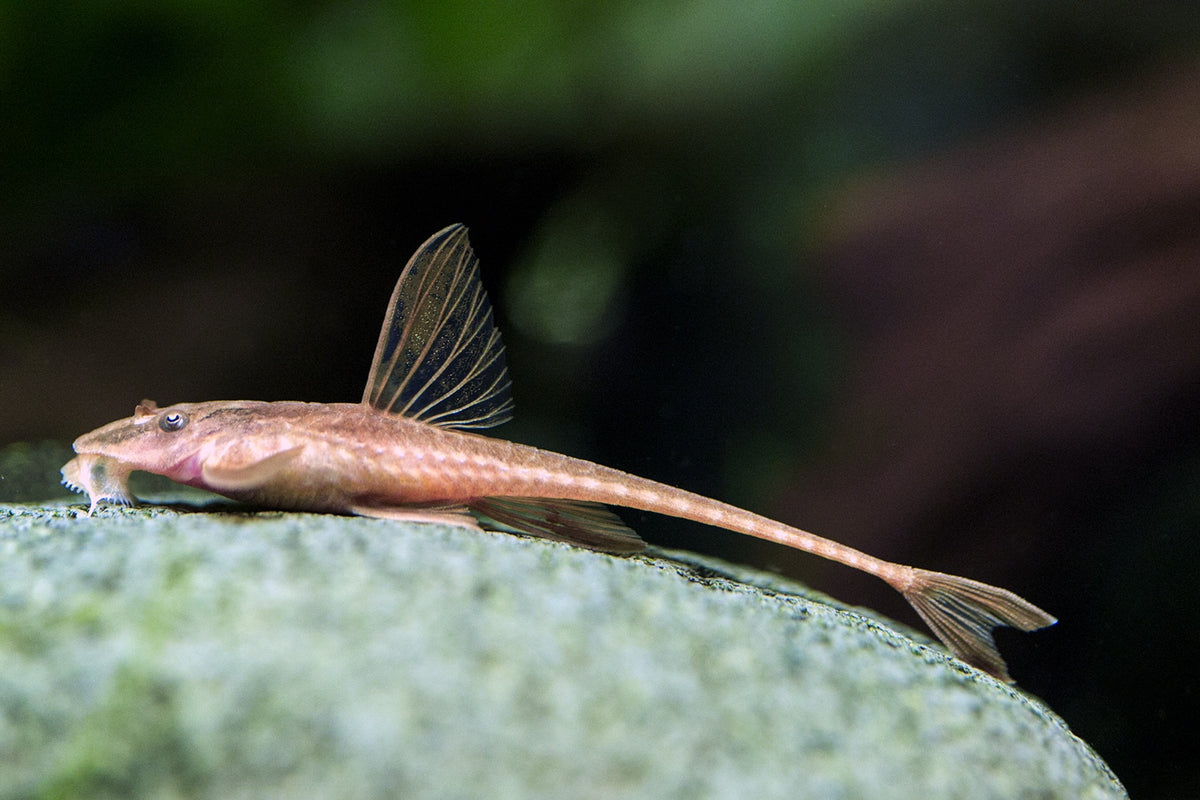
Red Lizard Whiptail Catfish are fascinating freshwater bottom-dwellers known for their slender, elongated bodies, distinctive whip-like tails and beautiful reddish-brown colouring. Their unusual appearance makes them a standout addition to peaceful tropical community aquariums.
Also known as the Red Lizard Catfish or L010a (Rineloricaria sp.), these peaceful fish spend much of their time resting on driftwood, exploring the aquarium floor and searching for food.
Unlike many other catfish, Red Lizard Whiptails have a delicate, streamlined appearance and are generally calm, making them a wonderful choice for aquarists wanting something a little different.
Care Level: Easy to moderate
Temperament: Peaceful, shy and generally social
Maximum Size: Approximately 10–12 cm
Lifespan: Approximately 5–8 years or longer with good care
Minimum Tank Size:
An aquarium of approximately 80 litres or larger is recommended, ideally with a base length of at least 75–80 cm. Larger aquariums are preferred when keeping several together or housing them with other community fish.
Red Lizard Whiptails spend much of their time along the bottom of the aquarium, so floor space is particularly important.
A soft sandy substrate, driftwood, smooth rocks, plants and sheltered hiding spaces will help them feel comfortable and encourage natural behaviour.
They appreciate areas of shade, good filtration and clean, well-oxygenated water.
How Many Should Be Kept Together?
Red Lizard Whiptails are peaceful towards their own kind and are best kept in small groups where aquarium space allows.
A group of 3–5 is a good option in a suitably sized aquarium with plenty of hiding places and feeding areas.
They do not school tightly like tetras or rasboras, but they can benefit from the presence of others of their species. They can also be kept individually when necessary.
Ideal Water Temperature:
24–28°C, with approximately 25–26°C being an excellent target for everyday care.
Stable tropical temperatures are important, and sudden changes should be avoided.
Water Conditions:
Red Lizard Whiptails thrive in clean, well-maintained freshwater with good oxygenation and stable water parameters.
-
Ideal pH: Approximately 6.0–7.5
-
Water Hardness: Soft to moderately hard
-
Water Flow: Gentle to moderate, with good oxygenation
-
Ammonia and Nitrite: 0 ppm
-
Aquarium: Fully cycled and well maintained
Regular partial water changes and good filtration are particularly important, as bottom-dwelling catfish can be sensitive to deteriorating water quality.
Diet:
Red Lizard Whiptails are omnivores and require a varied diet containing both plant-based and protein-rich foods.
A suitable diet includes sinking catfish pellets, algae wafers, blanched vegetables such as courgette and spinach, and occasional frozen or live foods such as bloodworms, brine shrimp and daphnia.
Although they may graze on algae and natural biofilm around the aquarium, they should not be relied on as algae cleaners or expected to survive on leftover fish food alone.
Because they can be shy feeders, ensure food reaches the bottom of the aquarium and that more active tank mates do not eat everything before they have a chance to feed.
Compatibility:
Red Lizard Whiptails are excellent additions to peaceful tropical community aquariums.
Suitable tank mates may include:
-
Peaceful Tetras
-
Rasboras
-
Corydoras
-
Small, non-aggressive Rainbowfish
-
Other peaceful bottom-dwellers where space and feeding areas allow
Avoid housing them with large, aggressive or particularly boisterous fish.
Their gentle nature means they can easily be intimidated or outcompeted for food by more dominant aquarium inhabitants.
Things to Be Cautious Of:
-
Feeding: Red Lizard Whiptails can be shy and slow feeders. Ensure they receive sufficient sinking food and are not outcompeted by faster fish.
-
Poor Water Quality: They require clean, stable aquarium conditions and should not be introduced into newly established or uncycled tanks.
-
Sharp Substrates: Fine sand or smooth substrate is recommended to protect their underside and allow natural foraging.
-
Hiding Places: These fish appreciate plenty of sheltered areas and may become stressed in bare, brightly lit aquariums.
-
Aggressive Tank Mates: Avoid fish that may bully, chase or prevent them from feeding.
-
Algae Cleaning: Although they may graze on algae and biofilm, they are not dedicated algae-eating fish and require a balanced diet.
-
Safe Handling: Their slender bodies and armoured appearance mean care should be taken when catching or transferring them to avoid injury.
Helpful Notes:
Red Lizard Whiptails are a fantastic choice for fish keepers wanting a peaceful, unusual and interesting bottom-dwelling species.
Their long, delicate bodies and warm reddish colouring create a beautiful contrast against green aquatic plants, driftwood and sandy substrates.
They are generally most comfortable in established aquariums with plenty of cover and suitable feeding areas. Once settled, they can become more confident and regularly venture out to explore.
Their unusual appearance and peaceful temperament make them a rewarding addition to a thoughtfully planned tropical community aquarium.
Share