Live Animal
Panda Corydoras
Panda Corydoras
Couldn't load pickup availability
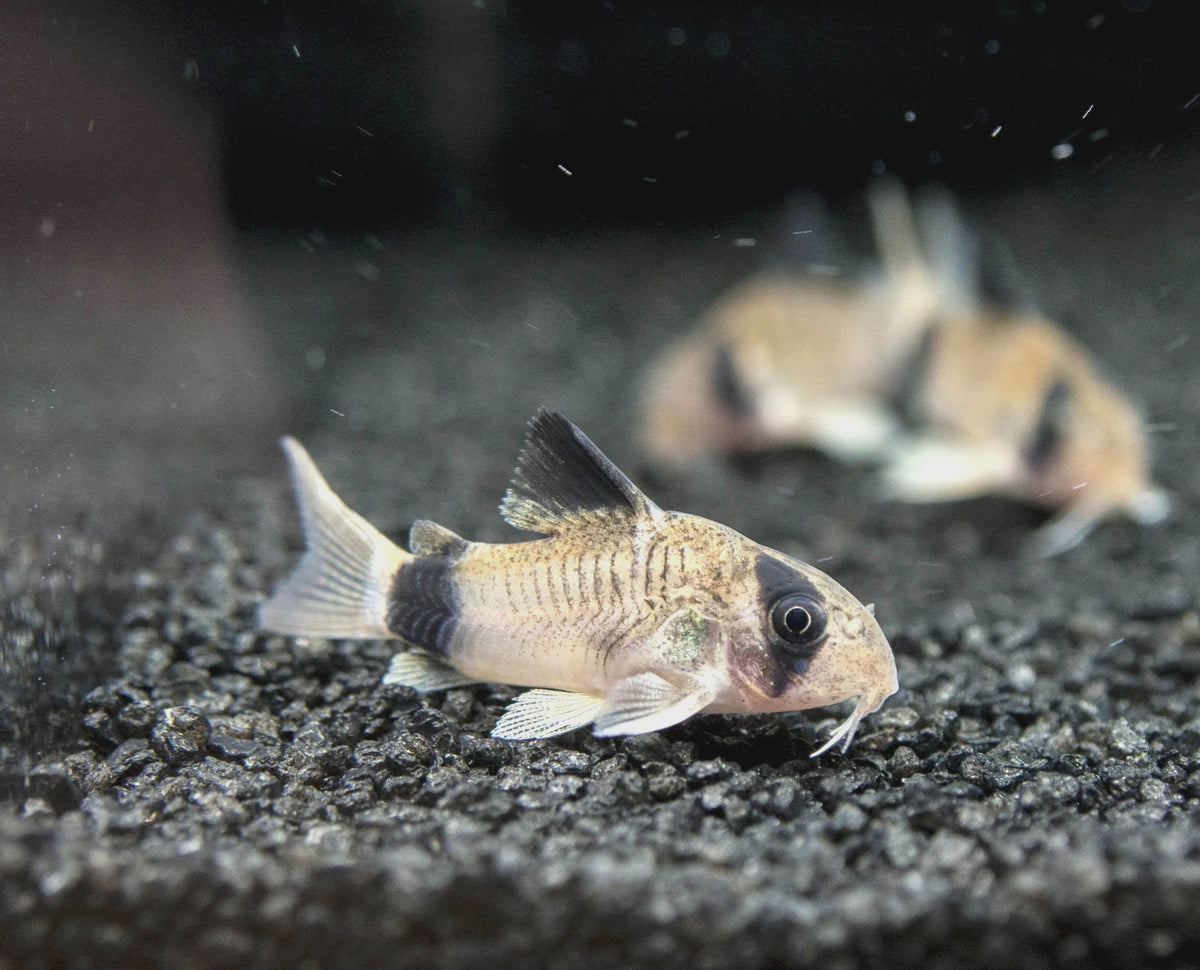
Panda Corydoras are adorable freshwater catfish known for their distinctive black-and-white markings, peaceful nature and playful personalities. Their cream-coloured bodies feature dark patches around their eyes, dorsal fin and tail, giving them an appearance similar to a giant panda.
These charming bottom-dwelling fish spend much of their time exploring the aquarium floor, searching for food and interacting with their companions. Their gentle nature and social behaviour make them a wonderful addition to peaceful tropical community aquariums.
Panda Corydoras are especially entertaining when kept in groups, where they can often be seen swimming, resting and foraging together.
Care Level: Easy to moderate
Temperament: Peaceful, social and active
Maximum Size: Approximately 4–5 cm
Lifespan: Approximately 5 years or longer with proper care
Minimum Tank Size:
A minimum of 60 litres is recommended for a small group of Panda Corydoras, although a 75–80 litre aquarium or larger is preferred for additional swimming space and more stable water conditions.
As bottom-dwelling fish, Panda Corydoras benefit from aquariums with plenty of floor space rather than tall, narrow tanks.
A soft sand substrate is strongly recommended, allowing them to naturally sift through the sand while searching for food without damaging their delicate barbels.
Live plants, driftwood, smooth rocks and shaded hiding places help create a comfortable and enriching environment.
How Many Should Be Kept Together?
Panda Corydoras should be kept in groups of at least 6, although groups of 8–10 or more are even better when aquarium space allows.
These fish are naturally social and feel much more confident when surrounded by others of their own species.
Keeping them alone or in very small numbers can lead to stress, shyness and reduced natural behaviour.
While they may interact with other Corydoras species, keeping a proper group of Panda Corydoras is recommended.
Ideal Water Temperature:
22–25°C, with approximately 23–24°C being an excellent target for everyday care.
Panda Corydoras prefer slightly cooler tropical temperatures than many other Corydoras species.
Prolonged exposure to temperatures above 26°C should be avoided, as warmer water can cause stress and negatively affect their long-term health.
Water Conditions:
Panda Corydoras thrive in clean, well-oxygenated freshwater with stable water parameters and regular aquarium maintenance.
-
Ideal pH: Approximately 6.0–7.4
-
Water Hardness: Soft to moderately hard
-
Water Flow: Gentle to moderate, with good oxygenation
-
Ammonia and Nitrite: 0 ppm
-
Aquarium: Fully cycled and well maintained
They are particularly sensitive to poor water quality and dirty substrates, making regular water changes and careful aquarium maintenance important.
Diet:
Panda Corydoras are omnivores and require a varied diet to maintain good health.
Quality sinking catfish pellets or bottom-feeder tablets should form the foundation of their diet, supplemented with occasional frozen or live foods such as bloodworms, brine shrimp and daphnia.
Although they will happily search for leftover food along the aquarium floor, they should never be expected to survive on scraps alone.
Ensure food reaches the bottom of the aquarium so they receive enough nutrition, particularly when housed with faster-feeding fish.
Compatibility:
Panda Corydoras are excellent community fish and are best suited to peaceful aquarium companions that enjoy similar water conditions.
Suitable tank mates may include:
-
Neon Tetras
-
Small, peaceful Rasboras
-
Peaceful Danios suited to similar temperatures
-
Other non-aggressive community fish
-
Peaceful freshwater snails
Avoid housing them with large, aggressive or predatory fish that may bully, injure or eat them.
Special consideration should also be given to species requiring consistently warmer tropical temperatures, as Panda Corydoras prefer cooler conditions.
Things to Be Cautious Of:
-
Sensitive Barbels: Panda Corydoras use delicate whisker-like barbels to search for food. Sharp or rough substrates and dirty aquarium floors can cause injuries and infections. Fine, smooth sand is recommended.
-
Group Size: They are social fish and should be kept in groups of at least 6 to encourage natural behaviour and reduce stress.
-
High Temperatures: Unlike some other Corydoras species, Panda Corydoras prefer cooler tropical water and should not be kept in consistently hot aquariums.
-
Poor Water Quality: They are sensitive to deteriorating water conditions and should only be introduced to fully cycled, well-maintained aquariums.
-
Feeding: They are not simply clean-up fish and must receive their own appropriate sinking foods.
-
Surface Access: Corydoras occasionally swim quickly to the surface to gulp air. This is natural behaviour, although frequent surface gulping may indicate poor oxygenation or water quality.
-
Safe Handling: Corydoras have sharp, stiff fin spines that can become caught in aquarium nets. Extra care should be taken when catching or transferring them.
Helpful Notes:
Panda Corydoras are a fantastic choice for aquarists wanting an active, peaceful and entertaining bottom-dwelling fish.
Their playful group behaviour and unique panda-like markings make them especially enjoyable to watch in a planted community aquarium.
They are often seen resting together beneath plants or driftwood before suddenly becoming active and exploring the aquarium floor as a group.
Providing a soft substrate, suitable companions, clean water and plenty of floor space will help these charming little catfish thrive.
Share